
–
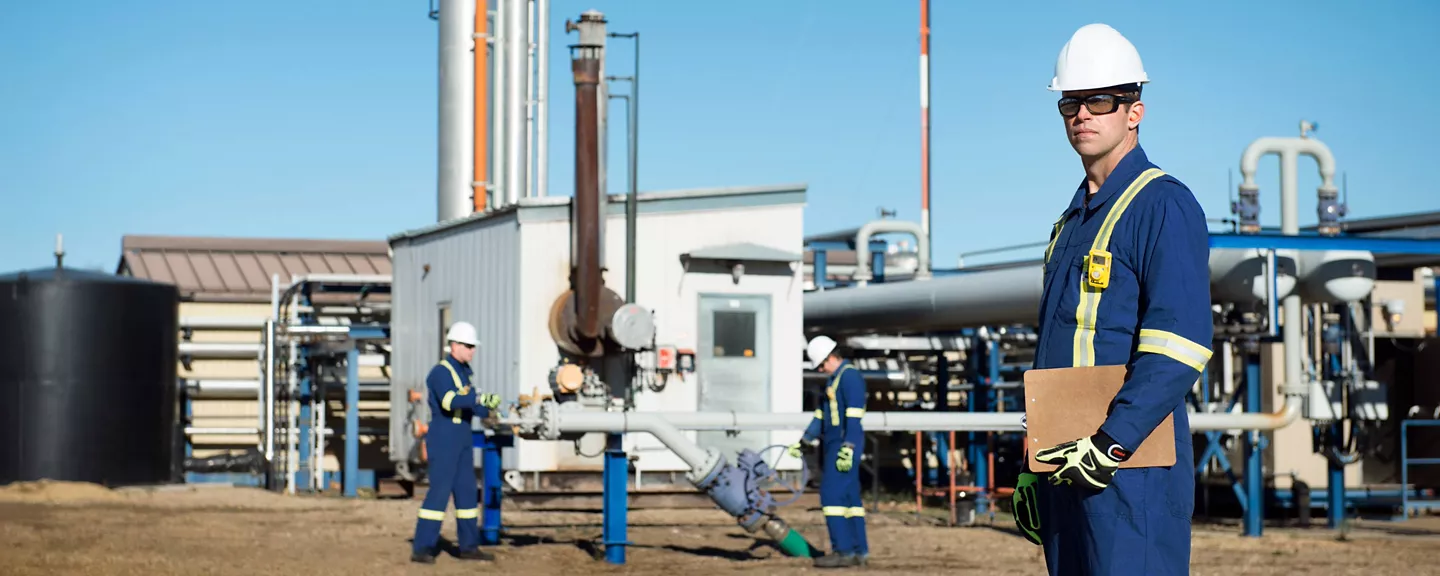
In a hazard-charged work environment, a worker can be exposed to danger even when that danger is visible and clear, for several reasons related to weak preventive procedures, insufficient training, or carelessness in using protective equipment. But the more important question is: what if the hazard itself is invisible?
This is exactly what happens in workplaces that contain hazardous gases. Many of these gases are colorless, odorless, or the worker may lose the ability to smell them after continuous exposure, making reliance on the natural senses alone a risky decision.
Why Can’t a Worker Rely on Their Senses Alone?
Sight, smell, and hearing are good natural tools for assessing many workplace hazards, but they fail completely when it comes to hazardous gases, for the following reasons:
- Some gases, such as carbon monoxide, are completely colorless and odorless.
- Other gases, such as hydrogen sulfide, have a strong odor at first but quickly “deaden” the sense of smell at high, dangerous concentrations.
- Some gases are not detected until their concentrations reach levels that can be lethal or explosive.
- Leaks can occur in confined or narrow spaces where it is hard to distinguish normal air from contaminated air.
For this reason, it is essential to look for solutions beyond human senses. This is where the gas detector comes in as an essential tool for occupational safety.
What Is a Gas Detector?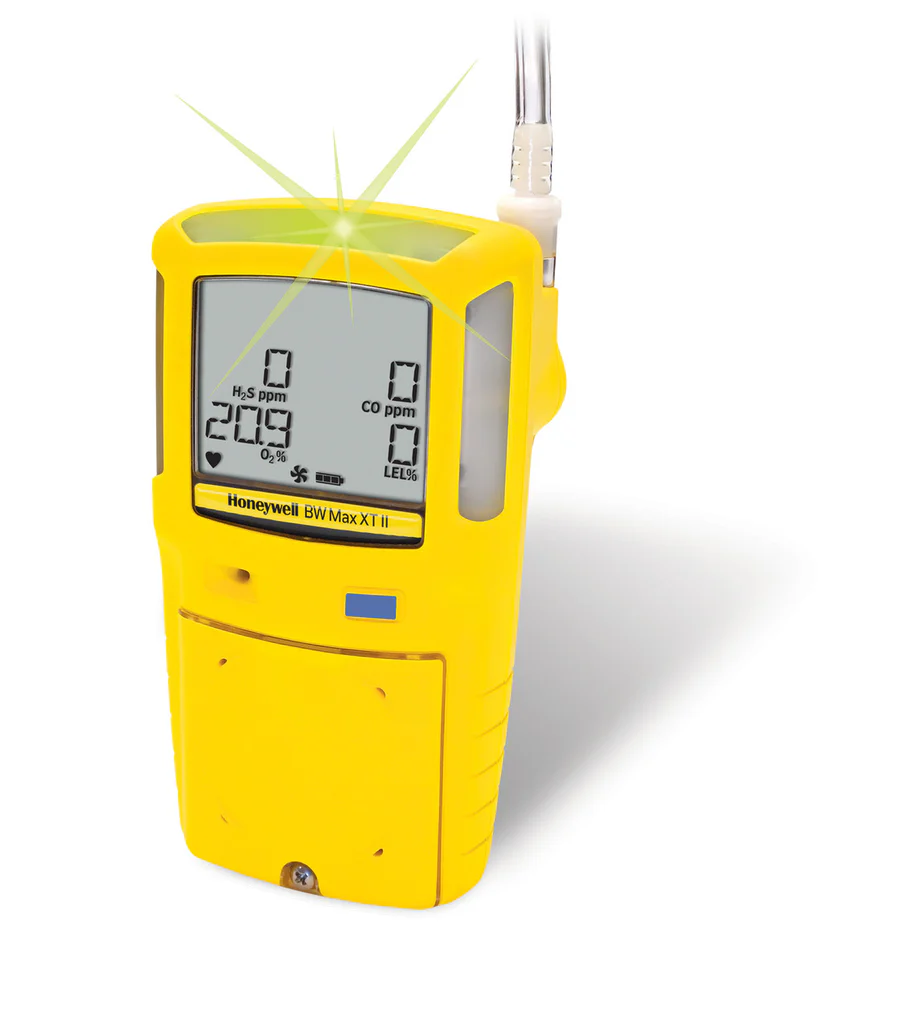
A gas detector is an electronic device designed to monitor the presence of specific gases in the surrounding air, measure their concentration, and then alert the worker as soon as that concentration exceeds safe limits, whether through an audible, visual, or vibrating alarm. In this way, the worker gains vital information their senses could never provide: the presence of an invisible hazard, its severity, and the right time to act.
Types of Gas Detectors and How to Choose the Right One :-
There is no single device that “fits everyone.” Choosing the right gas detector always starts with knowing the types of gases the worker may potentially encounter on site. Among the most prominent types of detectors are:
- Single-Gas Detectors: Designed to monitor one specific gas, such as carbon monoxide or hydrogen sulfide, and are used in environments where the risk of a specific gas is already known.
- Multi-Gas Detectors: Monitor several gases at once, and are commonly used in confined, complex spaces such as tanks, tunnels, and sewage wells.
- Fixed Detectors: Installed at specific locations within a facility for continuous, round-the-clock monitoring, suited to factories and large industrial facilities.
- Portable Detectors: Carried by the worker while moving around, providing immediate personal protection wherever they go.
Accurately identifying the type of hazard doesn’t just help in choosing the right device — it also helps determine the correct way to respond to the situation. The procedure followed when a flammable gas leak is detected differs from the one followed when a toxic gas threatening the respiratory system is present. This allows the worker and the safety team to make the right decision at the right time and avoid potential hazards before they escalate.
| Knowing the gas = knowing the right device = knowing the right way to respond to the hazard. |
Conclusion :-
In workplaces that contain hazardous gases, it is not enough for a worker to simply be careful or alert using their natural senses alone; the real danger is often invisible and undetectable until it’s too late. Investing in the right gas detector, based on a clear understanding of the potential gases present at the worksite, is an essential step toward protecting lives, reducing incidents, and ensuring a safer working environment for everyone.

Toka Elgarhy
All Author Posts
